

Keep Working: Hand Tattoo Aftercare for 2–4 Week Healing
The fastest, safest way to care for a new hand or finger tattoo is to follow your artist’s bandage instructions to the letter, then wash gently multiple times a day with lukewarm water and a fragrance-free soap. Apply a thin layer of water-based, unscented moisturizer after each wash. Skip the soaking, skip the heavy ointments, and never pick at scabs. If redness spreads or pain gets worse instead of better, call your artist or a doctor.
TL;DR:
- Hand and finger tattoos are more prone to fading and touch-ups due to constant friction, fast skin turnover, and limited ink retention on high-motion areas.
- Proper aftercare involves gentle washing with lukewarm water and fragrance-free soap, applying a thin layer of water-based moisturizer multiple times daily, and avoiding over-application or heavy ointments.
- Keeping the tattoo dry during wet activities, covering with breathable dressings when necessary, and avoiding soaking baths or pools are essential for preventing infections and scabbing issues.
- Signs of infection include worsening pain, spreading redness, fever, and foul discharge; prompt medical consultation is necessary if these symptoms appear.
- Using a specific aftercare bundle designed for active skin, including balm, lotion, and soothing gel, helps optimize healing and adapt to the unique friction and hygiene challenges of hand tattoos.
Table of Contents
- Day-One and Week-One Aftercare Checklist
- Why Hand and Finger Tattoos Heal Differently
- What to Expect Day by Day
- Cleaning and Moisturizing Without Overdoing It
- Protecting a Healing Hand Tattoo During Everyday Life
- Signs of Infection and When to Call a Doctor
- Keeping a Hand Tattoo Looking Sharp for Years
- How TBNC Tattoo Products Fit Each Healing Stage
- Why Most Hand Tattoo Aftercare Advice Undersells the Friction Problem
- A Simple Bundle for a Complicated Healing Spot
- Sources
- FAQ
Day-One and Week-One Aftercare Checklist
Your artist will tell you exactly how long to leave the initial bandage on, but most hand and finger tattoos need it off within a few hours to let the skin breathe. Remove it slowly, ideally with clean hands under lukewarm running water, so you don’t tear at fresh ink.
Once the bandage is off, the routine is simple and repeats daily for the first week:
- Wash with fragrance-free liquid soap and lukewarm water, using clean fingertips to avoid irritation.
- Pat the area dry with a clean paper towel; never rub.
- Apply a thin film of water-based lotion or a tattoo-specific balm — a light coat, not a coating.
- Repeat this several times daily, and after any handwashing.
Stock up before your appointment: fragrance-free liquid soap, clean paper towels, an unscented lotion or balm, and a breathable bandage or hydrogel patch for the first day or two.
Why Hand and Finger Tattoos Heal Differently
Hands move constantly, and that movement is the enemy of a fresh tattoo. Every time you make a fist, grip a doorknob, or type, the skin stretches and pulls at healing ink, which is one reason hands and fingers hold pigment less predictably than a bicep or thigh, according to aftercare guidance from tattoo artists. Skin over knuckles and finger joints is thinner and creases sharply, so scabs crack open more easily there than on flatter body parts.
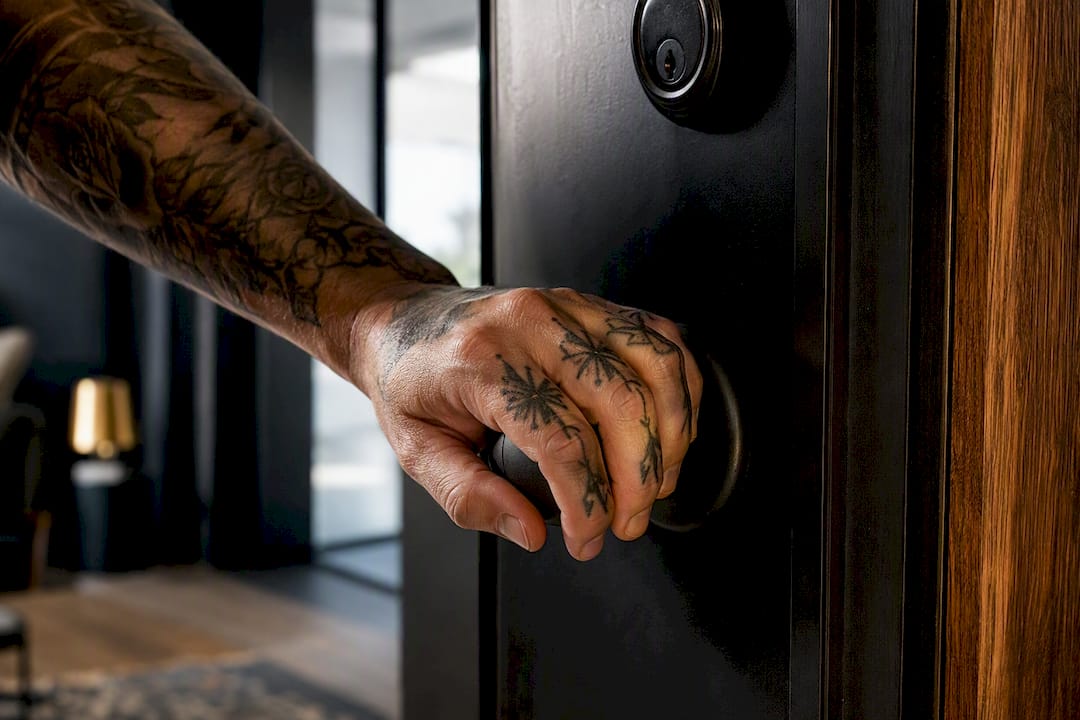
Palms and fingertips present their own problem: thick, fast-turnover skin sheds ink before it settles, which is why artists often warn clients that those specific spots may need a touch-up no matter how careful the aftercare is. On top of that, hands touch more surfaces, more bacteria, and more people’s germs than almost any other part of the body, which makes the first few days of hygiene more important here than almost anywhere else you’d get tattooed.
What to Expect Day by Day
Hand tattoo healing follows a fairly predictable arc, even though the skin itself is unpredictable.
- First 24 hours. Remove the bandage as your artist instructed, wash gently with lukewarm water and fragrance-free soap, pat dry, and apply a thin layer of healing balm. Some oozing or plasma is normal.
- Days 2 through 7. Wash two to three times daily using a liquid pump soap, and keep the ointment layer thin. Skin will feel tight and look shiny; resist the urge to over-apply product just because it looks dry, since artist-recommended routines call for a small amount of healing ointment early on, then a switch to plain lotion.
- Weeks 2 through 4. Expect flaking and light scabbing, especially over knuckles. This is when most people stop bandaging entirely and move to lotion only, applied after every wash.
- Month two and beyond. Pigment continues settling under the surface. Finger and hand tattoos commonly need a touch-up in this window, particularly on high-friction spots like the sides of fingers.
Surface healing on hands typically wraps up within a few weeks, but deeper settling can take additional time.
Cleaning and Moisturizing Without Overdoing It
Stick with a mild, fragrance-free liquid soap and lukewarm water. Hot water strips the skin and irritates fresh tattoo work; cold water does nothing for cleaning. Wash gently with your fingertips multiple times a day, always patting dry afterward instead of rubbing.
For moisture, less is more. A thin film of a water-based, unscented lotion or a tattoo-specific balm is enough. Long-term use of thick petroleum jelly is a common mistake on hands specifically, because heavy occlusives can trap bacteria against skin that’s already in constant contact with surfaces. Over-moisturized skin also turns pale and slick, a texture that traps grime instead of letting the tattoo breathe.
Save a soothing gel for actual irritation, redness, or itchiness once the surface has mostly closed. Use daily lotion for the ordinary maintenance in between.
Protecting a Healing Hand Tattoo During Everyday Life
Showers are fine. Soaking is not. Skip baths, pools, and hot tubs entirely until the surface is fully healed, since submersion softens scabs before they’re ready to come off and invites bacteria into open skin.
Real life doesn’t pause for tattoo healing, so plan around it:
- If dishwashing, cleaning, or other wet work is unavoidable, cover the tattoo with a breathable dressing or hydrogel patch and change it often rather than leaving one on all day.
- Skip tight gloves that rub against the design; friction from tools, gym equipment, or even a phone case can wear down fresh scabbing.
- Once healed, apply broad-spectrum SPF 30 or higher any time the tattoo will see sunlight, since UV exposure fades ink faster on hands than almost anywhere else.
Signs of Infection and When to Call a Doctor
Most hand tattoos heal without drama, but hands see more bacterial contact than covered body parts, so knowing the warning signs matters. According to a review of tattoo-related complications, infections are one of the two most common medical issues after tattooing, and they’re usually tied to poor aftercare rather than the tattooing process itself.
Pro Tip: Take a photo of the tattoo every couple of days during healing. It’s much easier to spot creeping redness or swelling in side-by-side photos than by memory alone.
Watch for pain that gets worse instead of better, redness that spreads outward, fever, red streaks leading away from the tattoo, or discharge that’s green, yellow, or foul-smelling. Minor itchiness or redness usually just means switching to a plainer, fragrance-free product. Anything more serious warrants a same-day call to your doctor, and it helps to know what inks and aftercare products were used at the time in case a dermatologist needs to trace the cause.

Keeping a Hand Tattoo Looking Sharp for Years
Healed doesn’t mean maintenance-free. Hands get more sun, more soap, and more friction than covered skin, so the habits that helped it heal are the same ones that keep it vibrant.
Moisturize regularly to keep the surrounding skin from drying and cracking around the ink. Apply sunscreen with sufficient sun protection whenever your hands are in sunlight, and be mindful of rings or tools rubbing directly over the design. Finger tattoos in particular tend to fade or blur faster than tattoos on flatter skin, so budgeting for a touch-up a year or two out isn’t a sign anything went wrong. It’s just how that part of the body behaves.
How TBNC Tattoo Products Fit Each Healing Stage
TBNC Tattoo builds its aftercare line around the same wound-care logic dermatologists recommend: keep it clean, keep it lightly moist, and don’t drown it in product. The brand’s formulas are dermatologist-approved and used across more than 3,250 tattoo studios worldwide, with over one million sessions behind the products in the field.
The routine maps cleanly onto TBNC Tattoo’s lineup. Early days call for the Tattoo Aftercare Balm, applied sparingly while the surface is still closing. Once flaking settles down, the unscented aftercare lotion takes over for daily maintenance. If irritation shows up along the way, the Tattoo Soothing Gel is built for exactly that, calming inflamed skin without heavy occlusives sitting on top of it.
Why Most Hand Tattoo Aftercare Advice Undersells the Friction Problem
Most aftercare guides treat hand tattoos like any other body part, just with a note to “be careful.” That framing misses the real issue: your hands don’t get a break. You wash dishes, grip a steering wheel, and type all day, and none of that stops because you got new ink.
The conventional advice to “keep it moisturized” also gets applied too literally on hands. Thick, frequent layers of ointment sound protective, but they trap bacteria on skin that’s already touching door handles and keyboards all day. The better instinct is thinner layers, applied more often, paired with obsessive hand hygiene rather than heavy product.
What actually deserves priority is friction management, not moisture. A breathable cover during unavoidable wet work protects more than another coat of lotion ever will. And touch-ups on fingers aren’t a failure of aftercare. They’re a known limitation of tattooing thin, high-motion skin, and accepting that upfront saves people from panicking over normal fading months later.
— The Best Numbing Cream
A Simple Bundle for a Complicated Healing Spot
Hand tattoos demand more precision than most other placements, and juggling three separate products from three separate brands is its own way to mess up the routine. The Basic Tattoo Aftercare Bundle solves that by pairing the balm, lotion, and soothing gel into one dermatologist-formulated set, so every stage of healing has the right product already on hand instead of a guessing game at the drugstore.
Fragrance-free, water-based formulas matter more on hands than almost anywhere else, since this is the skin touching soap, tools, and other people all day long. TBNC Tattoo’s line skips the perfumes and heavy petroleum bases that trap bacteria against constantly active skin. If you’d rather build your own kit, the Tattoo Aftercare Balm and Tattoo Soothing Gel are also available individually. Order the bundle before your next session and the right product is already waiting when the bandage comes off.
This article is general information, not a substitute for advice from a qualified doctor. Consult a qualified healthcare professional about your own circumstances before acting on anything here.
Sources
- Cutaneous and systemic complications associated with tattooing
- How to Heal Finger and Hand Tattoos With These Aftercare Tips From Artists | Allure
FAQ
What Should You Avoid After Getting a Hand Tattoo?
Skip soaking in baths or pools, heavy petroleum-based ointments, tight gloves, direct sun exposure, and picking at scabs, all of which slow healing or push pigment out of the skin.
How Long Do Hand Tattoos Take to Heal?
Surface healing typically takes 2 to 4 weeks, while the ink fully settles under the skin over the following couple of months.
How Long Should You Wait to Shower After a Hand Tattoo?
Showers are generally fine within hours, once your artist’s bandage has come off; just avoid direct high-pressure water and skip soaking baths entirely until the surface is closed.
How Long Should a Hand Tattoo Stay Covered?
Most artists recommend leaving the initial bandage on for only 2 to 4 hours, then switching to a breathable cover or hydrogel patch only during unavoidable wet work for the first week.
Is a Fragrance-Free Lotion Necessary for Hand Tattoos?
Yes. Fragrance and dyes in scented lotions commonly irritate fresh ink, so a plain, fragrance-free soap and lotion are safer choices than scented alternatives.


